How to Organise a Fashion Show in 2025
September 12, 2025
Fashion events guide 2025
The fashion industry thrives on spectacle. Sometimes that’s found on an intimate catwalk with a tight guest list, and at other times on a stage designed for global attention. What doesn’t change is the importance of the setting and London, with its mix of heritage and modernity, remains one of the most dynamic capitals for fashion events. Its concentration of talent, media, and production ability makes it the ideal place to stage bold ideas. And with the city being home to some of the most distinctive venues, there’s freedom to push creative boundaries and bring designers’ collections to life in unexpected ways. If you’re planning a show, launch, or celebration, this guide will help you think through all the details.
How to organise a fashion show
The phrase organising a fashion show might sound familiar and straightforward book models, send invites, put on the show but it’s more intricate than that. Complexity comes from every angle: the demands of buyers and editors, the expectations of your audience, the pace of seasonal launches, and the logistics of the show itself. To bring all those moving parts together, it helps to break the process into clear steps that will keep your fashion event in London on track.
1. Define purpose and format
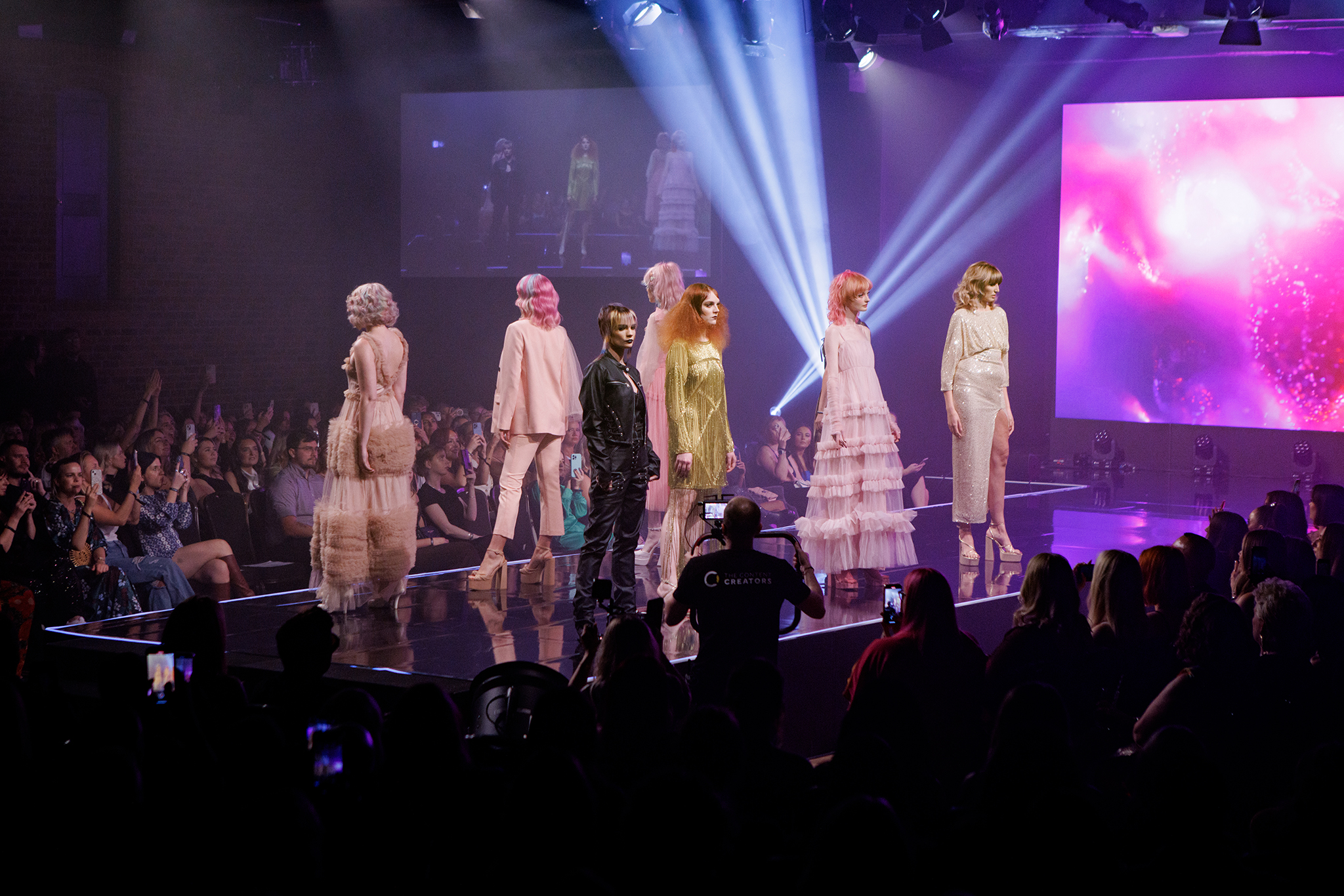
Before you do anything else, be clear on why you’re staging the show and what form it should take. Is it a press preview, buyer event, private showcase, or the launch of a new collection? The classic runway still sits at the centre of fashion, but it’s no longer the only option. Performance-driven presentations, showroom-style pop-ups, even immersive layouts are becoming more common. Even a simple runway layout affects visibility and flow – straight, L-shaped, or something more immersive will change how people see and move through the show. Nail this decision early, as it will guide everything else.
2. Plan your budget
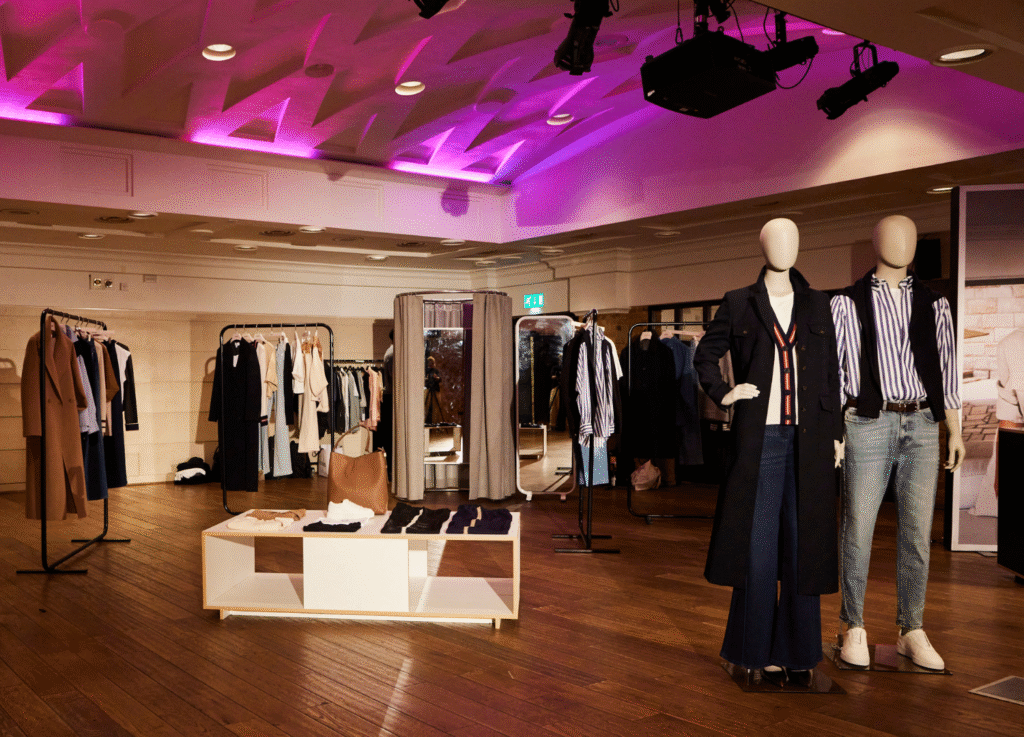
It’s easy to think a fashion show budget is all about clothes and staging, but the real costs stack up elsewhere. Lighting alone can make or break not just the atmosphere but the quality of photos and video. Then there’s content capture, ticketing platforms, venue hire, catering and it’s always wise to keep a contingency in reserve. Laying all this out early gives you a clearer picture of what’s possible and saves you from frantic cutbacks later.
3. Choose the right venue and date
The fashion event venues London offers must be more than photogenic. The venue needs to work as hard as it looks, balancing atmosphere with function with things like backstage areas, secure loading bays, rigging capacity, and reliable connectivity all non-negotiable. Central London often wins out for convenience, giving easy access to international guests, local press, and teams travelling in from across the country. But even the best venue can fall flat if the date clashes with London’s packed fashion calendar, so timing deserves just as much attention as the setting.
4. Set themes and decorations
A theme is what ties your collection to a bigger story. Sometimes it’s pared back to let the clothes do all the talking; other times it leans into a concept, pulling in music, art, or cultural references to frame the collection. Fashion show decorations carry that idea into the space itself the runway, the lighting, installations, or even a single striking set piece. The balance is in making choices that support the collection without drowning it out, giving guests a coherent and memorable experience.
5. Build your team and plan security
Behind the glamour, you need a strong team who keep everything running smoothly. That means stage and operations managers, stylists, technicians, security officers, front-of-house staff, and don’t forget volunteers. Make sure everyone is well briefed on routes, VIP areas, and evacuation procedures. Think carefully about how access will be managed digital passes, colour-coded lanyards, and clearly mapped zones all help keep things orderly. The right team protects both the creative vision and the seamless delivery of the show.
6. Cast models and rehearse
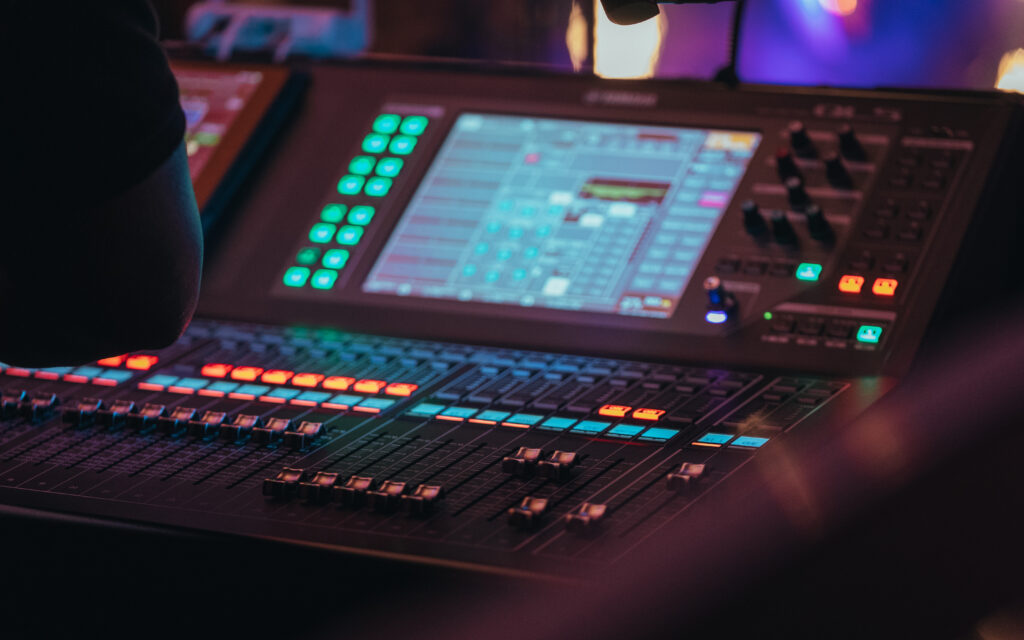
Casting today has shifted, reflecting greater diversity, representation, and broader storytelling. Once models are confirmed, schedule a rehearsal. It’s not just about the walks – it’s also the time to sync lighting, sound, and camera movement, test the pace, and see how everything comes together before the live show.
7. Your audience
Be clear about who the show is for. An internal preview has a different energy often about inspiring teams and reinforcing brand values while a press or buyer event is about reach and maximising visibility. The guestlist itself is a form of strategy: every seat counts, and each invite can extend the show’s impact beyond the room through social media. Influencers, stylists, and editors can amplify the collection instantly online, while loyal customers or students might bring energy and authenticity. The clearer you are on your audience, the more focused you can be on how the event is staged and communicated.
8. Align sponsorship and promotion
Sponsorship and promotion work hand in hand. Strategic collaboration can raise production values, expand reach, and strengthen the profile of a fashion event. The strongest partnerships come from alignment, so proposals should be targeted and shaped around the show’s audience and creative direction, then carried through into the promotional strategy. Press releases alone won’t cut it anymore. Content is currency, and should be created before, during, and after the show livestreams, TikTok reels, Instagram coverage, and coordinated media drops. The most effective campaigns are the ones where sponsors are naturally woven into the concept and then amplified across digital channels.
9. Organise backstage and operations
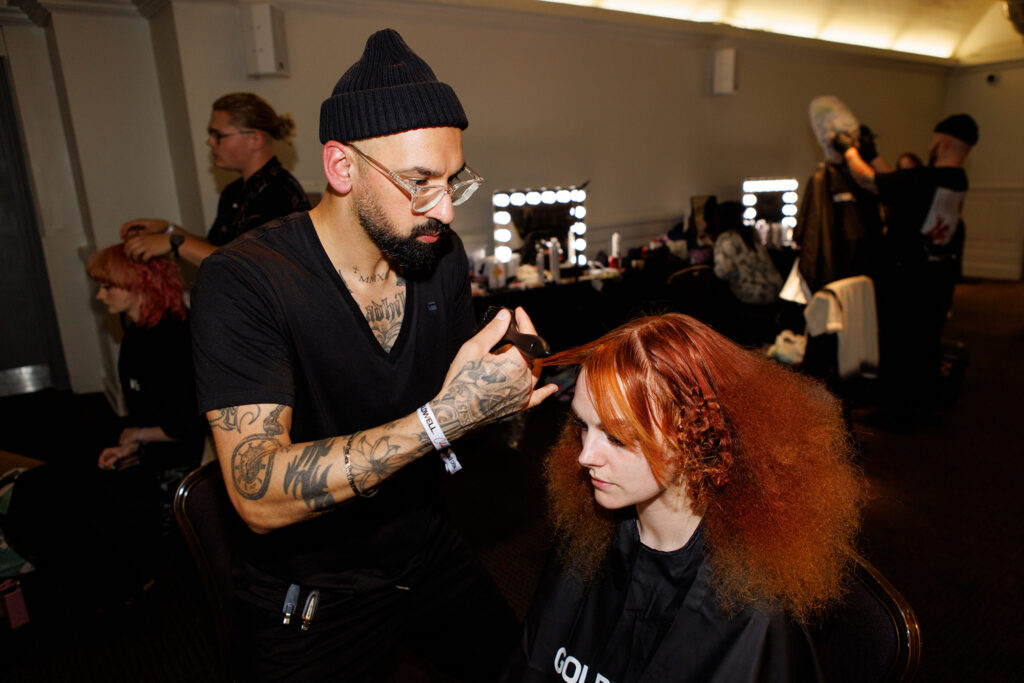
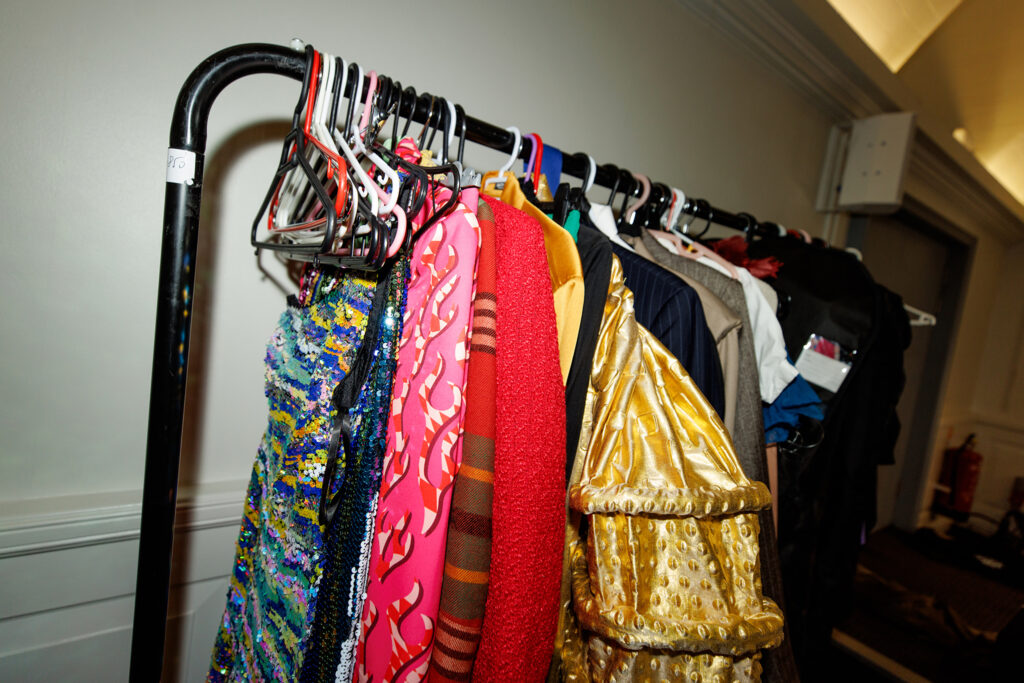
Backstage isn’t something most guests ever notice, but it decides how professional a show feels. Make sure there’s enough space for hair and make-up teams to work, catering for models and crew, and facilities like cloakrooms and accessible restrooms for guests. When choosing between fashion event venues in London, prioritise the ones that can handle these behind-the-scenes demands without compromising the front of house.
10. Deliver the show and follow-up
Keep the show on time but remember the work doesn’t stop when the runway ends. Afterwards, the follow-up is equally important circulating press releases, images, and video help keep the momentum going after the event. Thanking attendees, reviewing feedback, and archiving production notes will make the next show easier to deliver.
What to wear to a fashion event
For anyone new to event fashion, the question usually comes up straight away: what should you wear? The truth is, it depends on the context. A daytime press launch or collection preview calls for something smart-casual with a touch of individuality. Evening shows or big fashion events, such as those around London Fashion Week, are a different story. Guests often lean into bolder choices, statement pieces, sharp tailoring, or a look from an emerging designer – all of which feel right at home.
Students and those just entering the industry often feel the pressure to stand out. The best approach is to wear something that reflects your style while respecting the formality of the event. And don’t overlook comfort – a full day of shows, or an after-party that runs late into the evening, can be hard on your feet.
How long are fashion shows
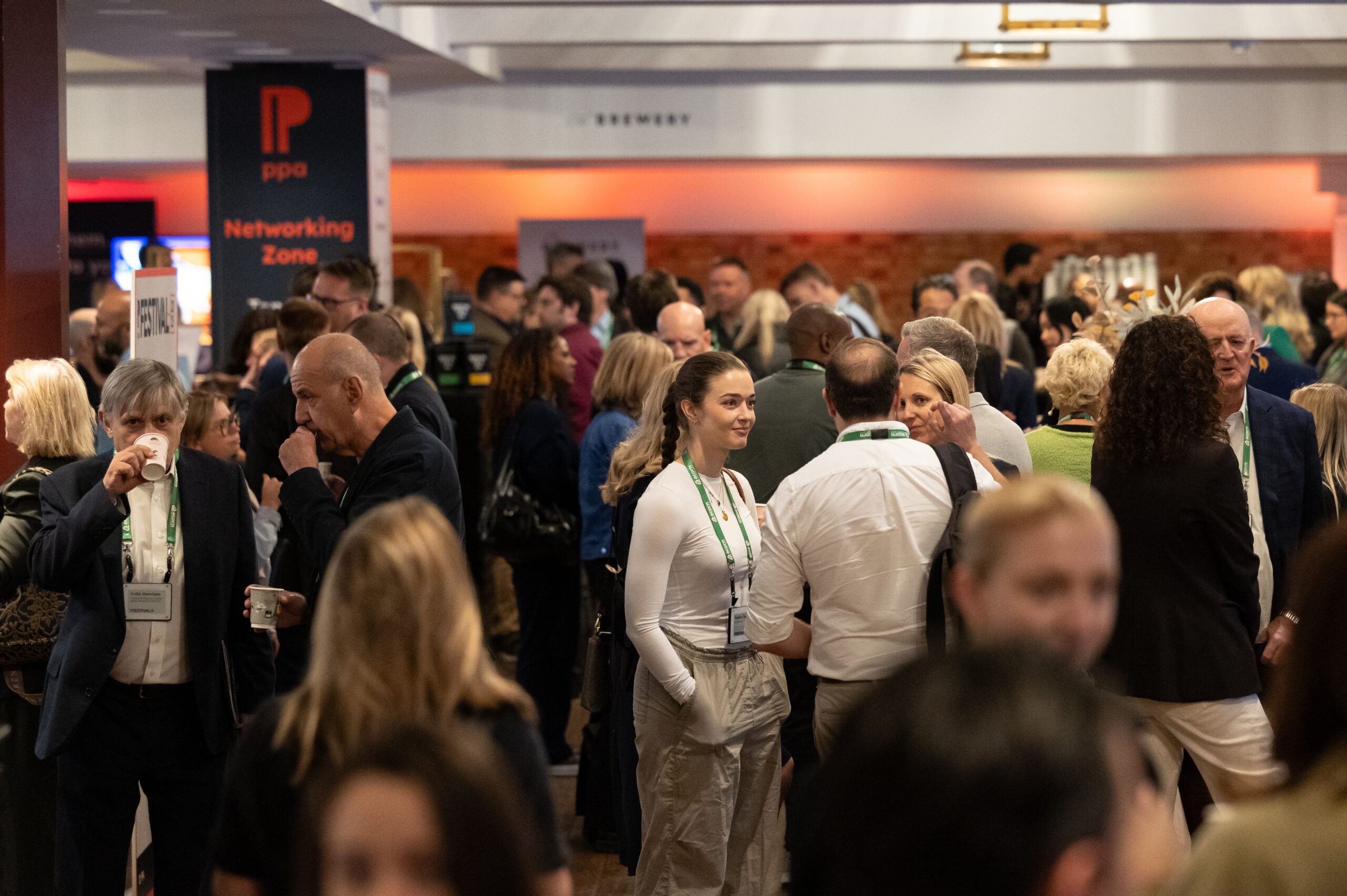
Fashion shows are famously short compared to the scale of preparation involved. Most runways wrap in 15 to 20 minutes, while bigger labels sometimes stretch to half an hour if there are set changes or other performances. What often surprises first-timers is how much longer the surrounding moments are: drinks, networking, installations, even an after-party, which last far longer than the show itself. For organisers, it’s crucial to manage timing carefully. Shows that overrun can frustrate press and buyers with packed schedules, especially during the busy new-season launch period.
Host your fashion events in London at The Brewery
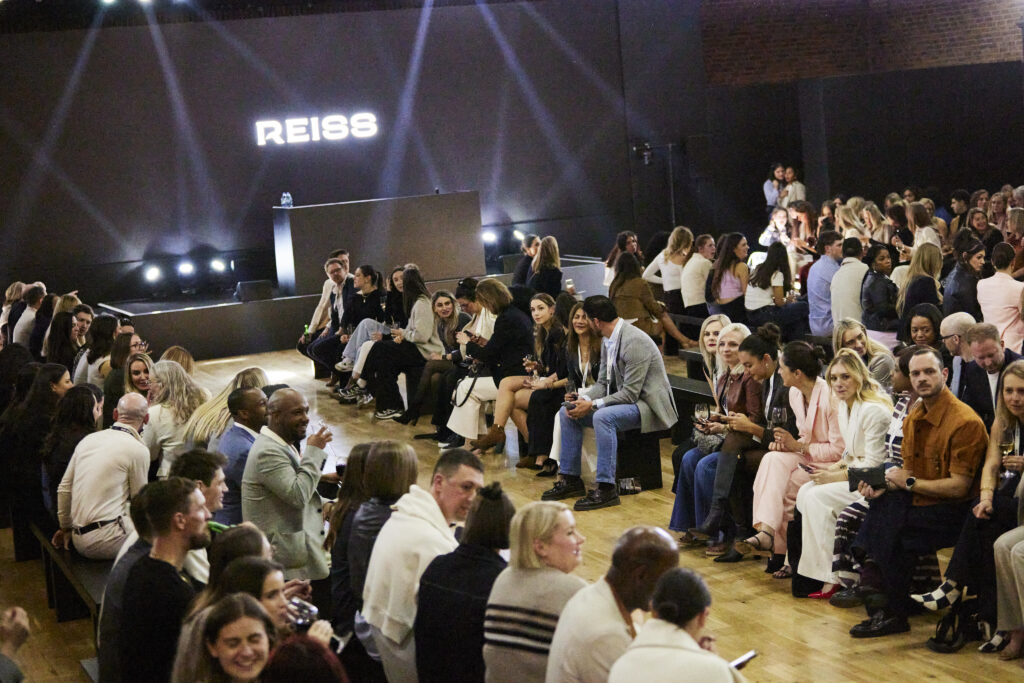
Organising a fashion event is about balancing vision with detail. From themes and decorations to rehearsals, timing, and promotion, every choice affects how an audience experiences a collection. The venue is where all the elements come together. Among the fashion event venues London has to offer, The Brewery stands out for its flexibility, scale, and character. Our central location and accessibility only add to the appeal, making it easy for guests to reach. We’ve hosted fashion events for global names including Sweaty Betty and Reiss, everything from internal new-season previews to exclusive launches for VIP guests.
With technical expertise, adaptable spaces, and reliable support throughout, we take care of the essentials behind the scenes so the focus stays on the collection. And when the runway ends, that doesn’t have to be the finale. At The Brewery, multiple rooms under one roof mean the show can slip straight into an after-party, with food and drink fit for a VIP crowd.
If you’re planning a fashion show in London, The Brewery offers both style and substance. Get in touch to explore how your next event could take shape here.
Back to blog