


Entertaining Londoners since 1750
Our History
The Brewery is a truly historic, Grade II listed venue occupying the site of the former Whitbread’s 18th Century brewery in East London, and we have been entertaining Londoners here since 1750.
Make An Enquiry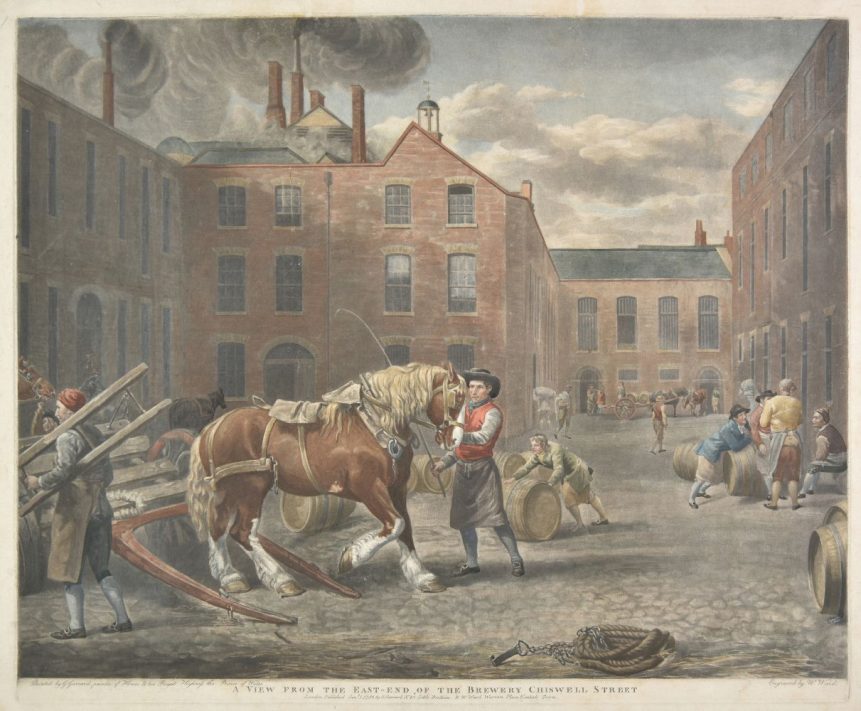
Whitbread’s giant
The Brewery occupies the site of the former Whitbread brewery in East London. In 1750 Samuel Whitbread, having bought property in the area, transplanted his operations to Chiswell Street from two smaller breweries in Old Street and Brick Lane.
Within a few years Whitbread’s brewery had become a vast operation, its sheer size making it an attraction worthy of royal visits. George III, Queen Charlotte, Queen Elizabeth II and Elizabeth the Queen Mother all visited the site.
Brewing on the site continued until 1976, the last tanker pulling out of the South Yard on April 13, bringing to an end a 225-year era.
Did you know…
The name Chiswell Street: Did you know the name Chiswell Street dates back nearly 800 years? The name comes from the Old English word ceosel, meaning gravel or stony ground. While we're not certain if the cobbles in our courtyard date all the way back to c.1220, they’ve certainly seen a lot over the centuries—bearing the weight of countless beer barrels, horses, carts, and people since the Whitbread Brewery opened in 1750.

Porter Tun’s roof: The Porter Tun room has a 170-foot king post timber roof, with an unsupported span of 65 feet giving an uninterrupted view across the room.
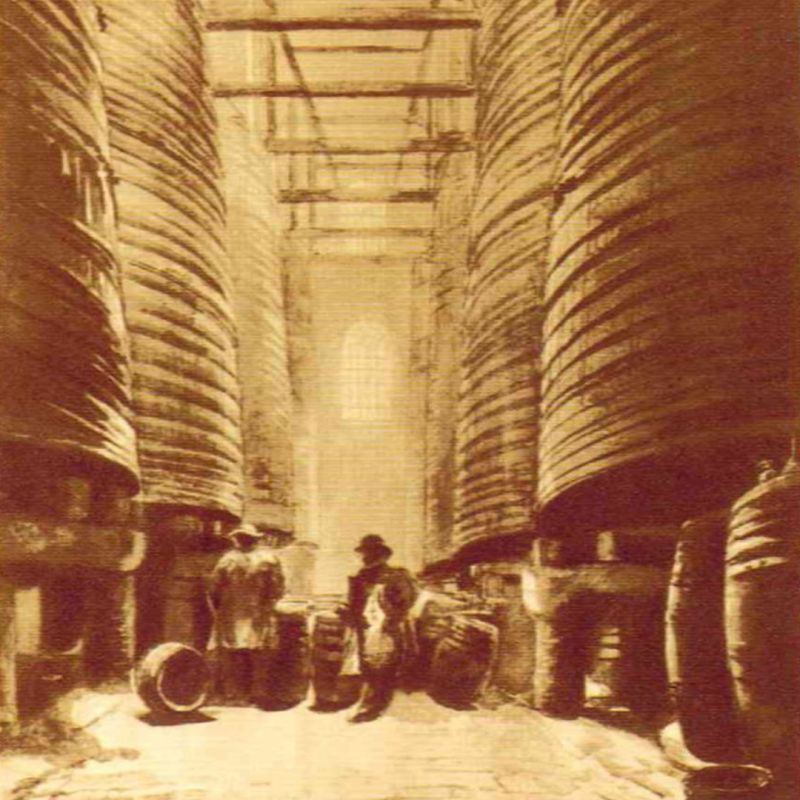
Beer to the ceiling: The vaults beneath the Porter Tun room were filled to the ceiling with porter (a dark beer that took a year to mature) after Whitbread had the idea of bulk storage without using casks. At first the liquid ran through the walls ‘as through a sieve’. It took advice from John Smeaton (The Smeaton Vaults), designer of the third Eddystone Lighthouse, and Josiah Wedgewood, to help make them water-tight. Or beer-tight.
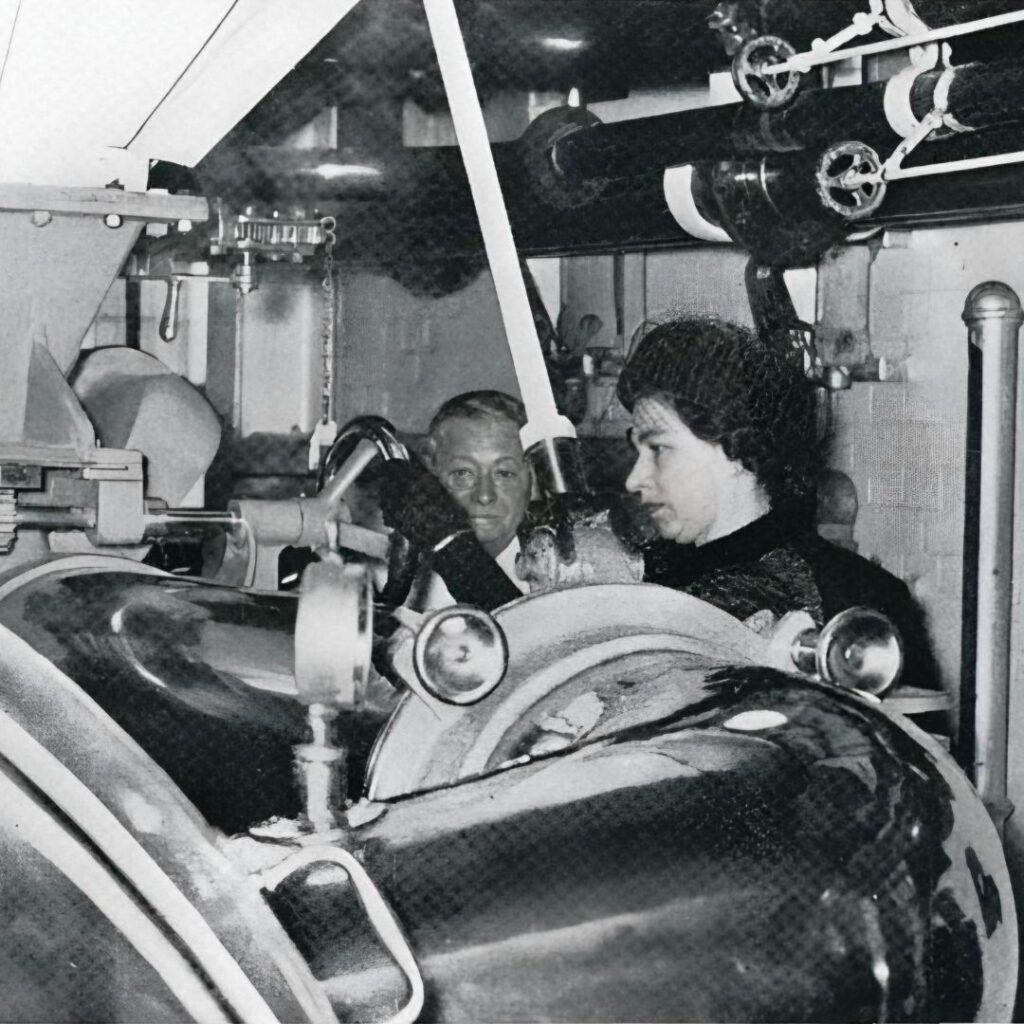
Kings and Queens: The Brewery welcomed many Kings and Queens. The King George III and Queen Charlotte rooms were named after the royal visit to the brewery by George III and family in 1787. In 1962, Queen Elizabeth II and the Queen Mother were welcomed to The Brewery. The Queen didn’t just tour—she became part of the brewing legacy by starting a mash herself, which was later bottled as The Queen’s Ale in commemorative six-packs. The royal pair enjoyed a private screening of Whitbread’s Badminton Horse Trials of 1962 in the company cinema before exploring the Porter Tun Room
Strange deaths: In 1815, Samuel Whitbread II, tormented by the brewery’s troubles, was believed to have taken his own life by cutting his throat “from ear to ear.” In 1834, John Martineau, the man who had saved the brewery from collapse through a crucial merger, was found dead in a yeast vat in the fermentation room. The jury’s cryptic verdict? “Died by the visitation of God.” Then in 1866, William Ward, a brewery worker, was found lifeless at the bottom of a 27-foot vat filled with lethal carbonic acid gas. His name was scrawled in chalk on the beam above, leaving a haunting question: what drew him to the gas, and was there something darker awaiting him in the depths?
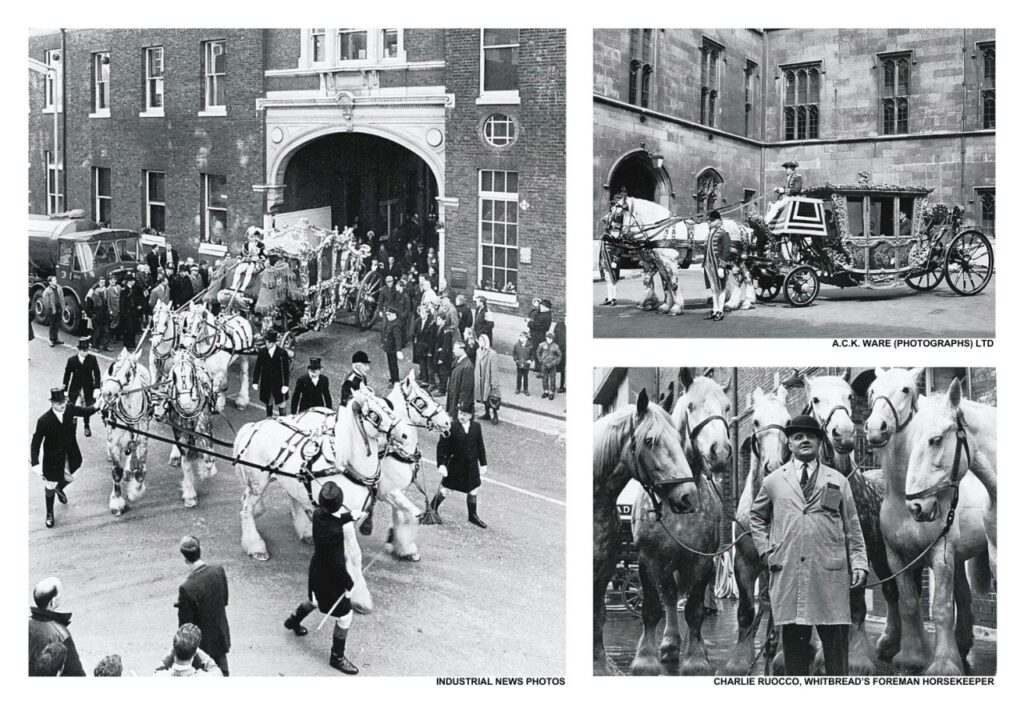
Speaker’s wheels: For more than 100 years, the coach of the Speaker of the House of Commons was housed at the brewery, and was pulled by Whitbread shire horses. Originally built for William III in the late 17th Century, in the mid 19th Century the coach was passed on to Speaker Charles Shaw Lefevre, who had married into the Whitbread family. Made of oak and weighing almost three tons, it is the oldest of the great state coaches and emerges only on rare occasions.
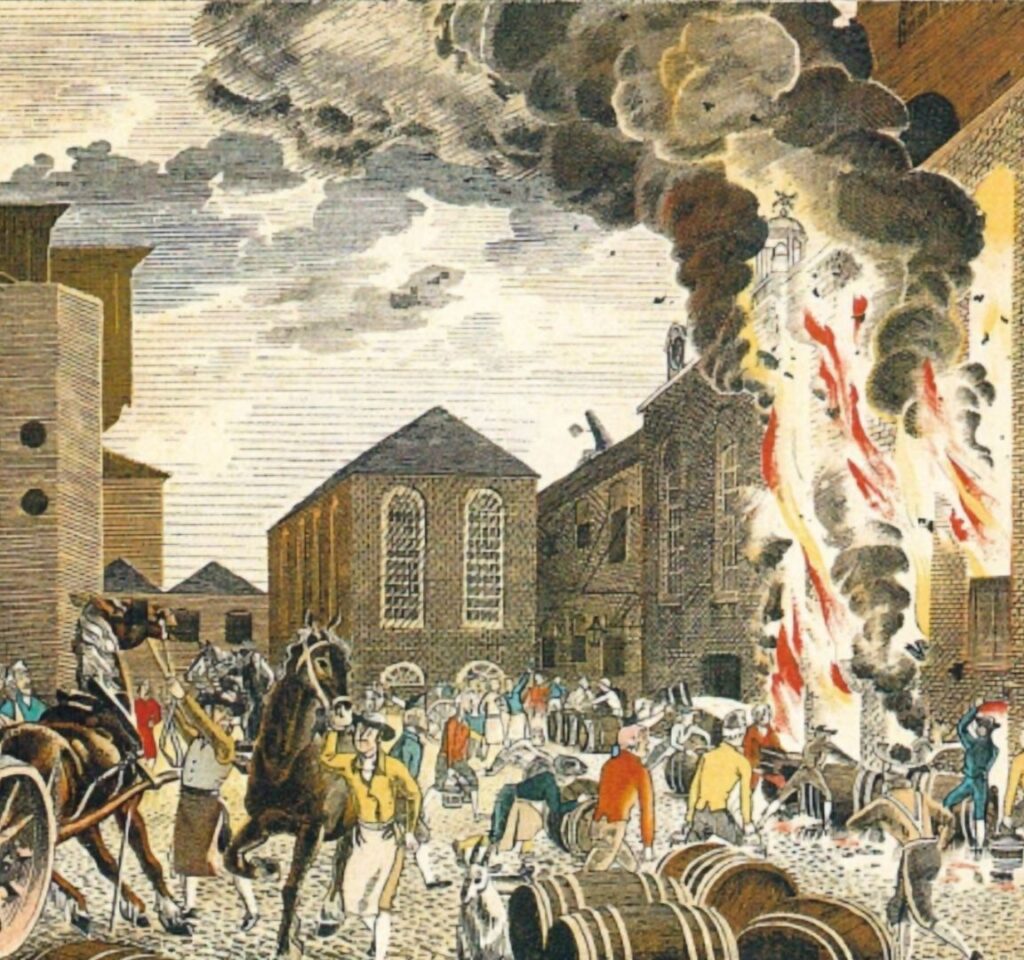
A Brewery saved by beer? Legend has it that in 1807, when flames threatened to consume The Brewery, it wasn’t water that saved the day—it was porter! A daring decision was made to sacrifice a vat of porter—which, at the time, could hold up to 3,800 barrels (that’s over a million pints!)—to help battle the blaze. In 1892, Whitbread established its own fire brigade, which later joined the London Private Fire Brigades' Association in 1902. The brigade even won multiple trophies in fire competitions during the interwar years.
View our gallery here.
Make An Enquiry